
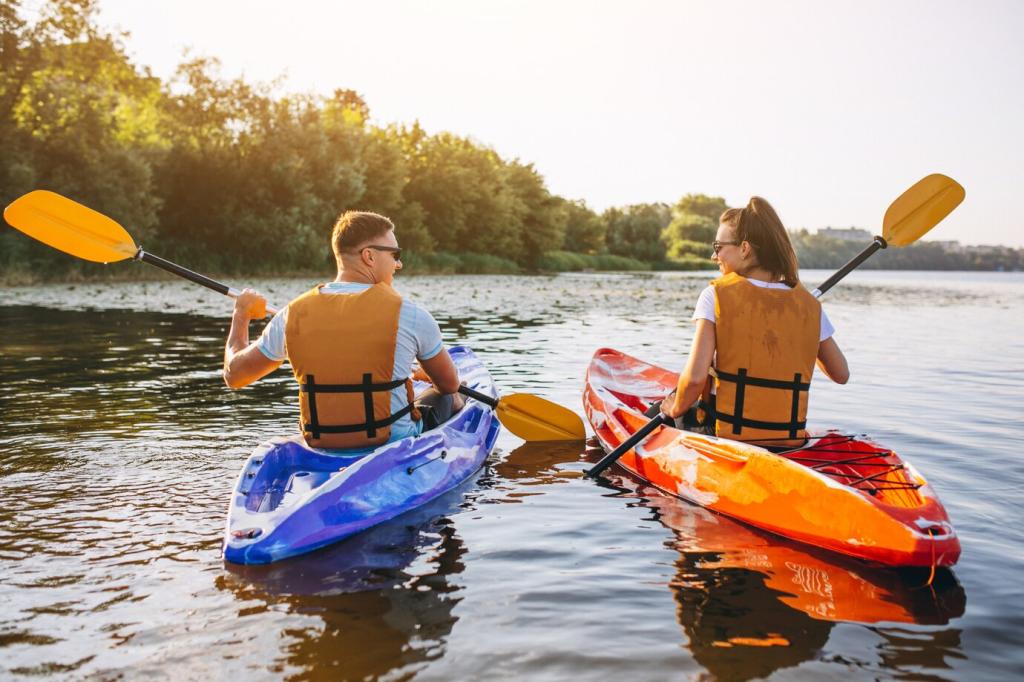
Beginner's Guide to Kayaking Techniques

Chosen theme: Beginner’s Guide to Kayaking Techniques. Slip into calm water, feel the boat steady beneath you, and discover how simple skills unlock confident adventures. Join our community, subscribe for weekly tips, and share your first paddle plans today.

Getting Set: Boat Fit and Essential Gear

Pick a PFD and Paddle That Work for You

Wear a Coast Guard–approved PFD that fits snugly without restricting rotation. Select a paddle length matching your height and kayak width, and try moderate feathering. Ask questions below, and subscribe for our sizing reference.

Dial In Cockpit Fit and Footpeg Position

Set footpegs so knees are slightly bent, thighs gently contacting braces, and hips free to move. A supportive backband encourages upright posture. Test adjustments on grass before launching, then share your best comfort tweaks.

Carry, Launch, and Land Without Drama

Save your shoulders using a partner carry or sliding the bow onto soft padding. At launch, check for submerged hazards, waves, and wind. Practice dock entries with a paddle bridge, then compare techniques with fellow beginners.

Posture and Torso Rotation

Sit tall on your sit bones, relax your grip, and rotate from the ribs, not the elbows. Imagine your belly button guiding the blade. Note your glide improves instantly; tell us how it felt.

Blade Entry, Exit, and Cadence

Plant the blade near your feet with a quiet entry, stack your hands, and exit by your hips to avoid dragging. Keep a steady, conversational cadence. Share a short video for friendly feedback.

Fixing Common Mistakes Fast

White-knuckle grip, arm paddling, and overreaching waste energy. Loosen fingers, shorten the stroke, and let your torso lead. A beginner named Maya halved her effort in one morning using these tweaks. Try them today.

Turn and Move: Sweeps, Draws, and Edging

Reach forward, sweep the blade in a wide arc to your stern, and rotate through your core. Keep the blade shallow and relaxed. Count strokes to track turning distance, then share your best three-stroke turn.

Turn and Move: Sweeps, Draws, and Edging

To move sideways, plant the blade beside your hip and pull toward you without hitting the hull. Refine with a gentle sculling motion. Note drift direction and wind effects, and compare notes with new paddling friends.
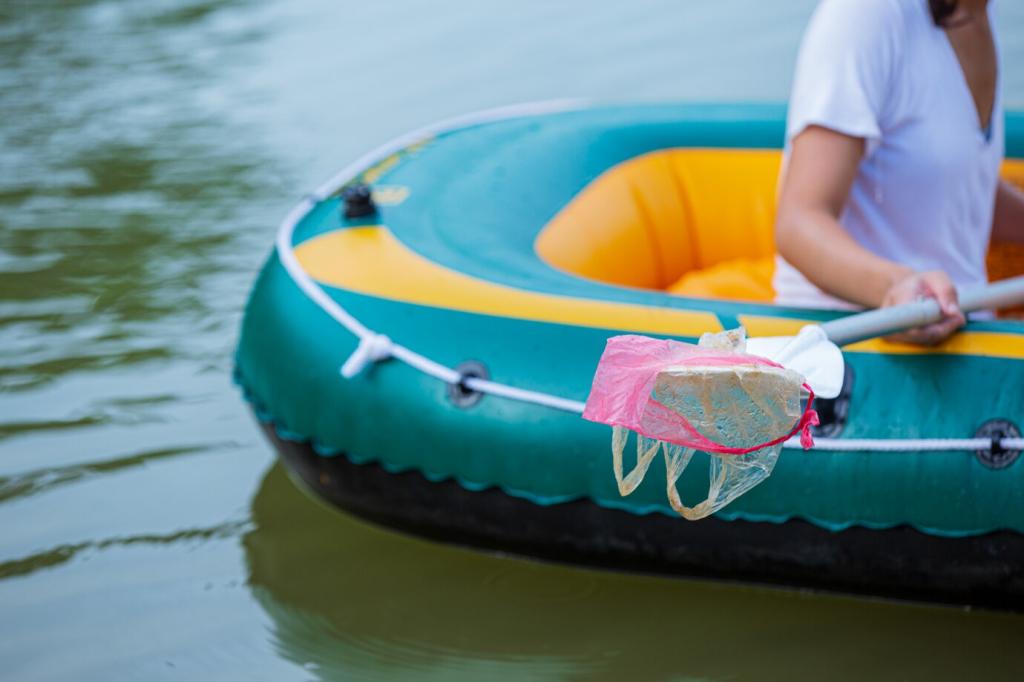
Tap the boat, lean forward, pull the skirt loop, and push off the cockpit rim to slide free. Hold onto your kayak and paddle. Share that first breathy laugh when you realized it was easy.

Water Wisdom: Weather, Wind, and Beginner Venues

Begin on sheltered lakes or slow rivers with easy landings and nearby help. Avoid busy boat traffic initially. Scout from shore, noting wind lanes and eddies. Share a map pin to your favorite starter cove.

Train Smart: Drills, Mobility, and a 30-Day Plan

Prioritize thoracic twists, hip hinges, and band pull-aparts for shoulders. Five minutes before paddling reduces stiffness and improves reach. List your favorite warm-up sequence so others can copy and adapt it.

On the Water with Others: Etiquette and Stewardship

Rig your boat away from the ramp, move efficiently, and help others if safe. Announce your intentions clearly. Share one polite phrase you use to keep launches friendly during busy weekend mornings.

On the Water with Others: Etiquette and Stewardship

Keep respectful distances, avoid nesting areas, and stow trash securely. Drift quietly to watch birds without chasing them. Tell us one local guideline you follow, helping newcomers adopt responsible habits from day one.

On the Water with Others: Etiquette and Stewardship

Join beginner-friendly groups for coaching, safety cover, and steady motivation. Trade stories after sessions to lock in lessons. Tag a paddler who helped you today, and pass their best tip forward here.
Zenithgrowup
Privacy Overview

This website uses cookies so that we can provide you with the best user experience possible. Cookie information is stored in your browser and performs functions such as recognising you when you return to our website and helping our team to understand which sections of the website you find most interesting and useful.